
Loading...
Serving Midland, TX and surrounding areas. (432) 289-7587
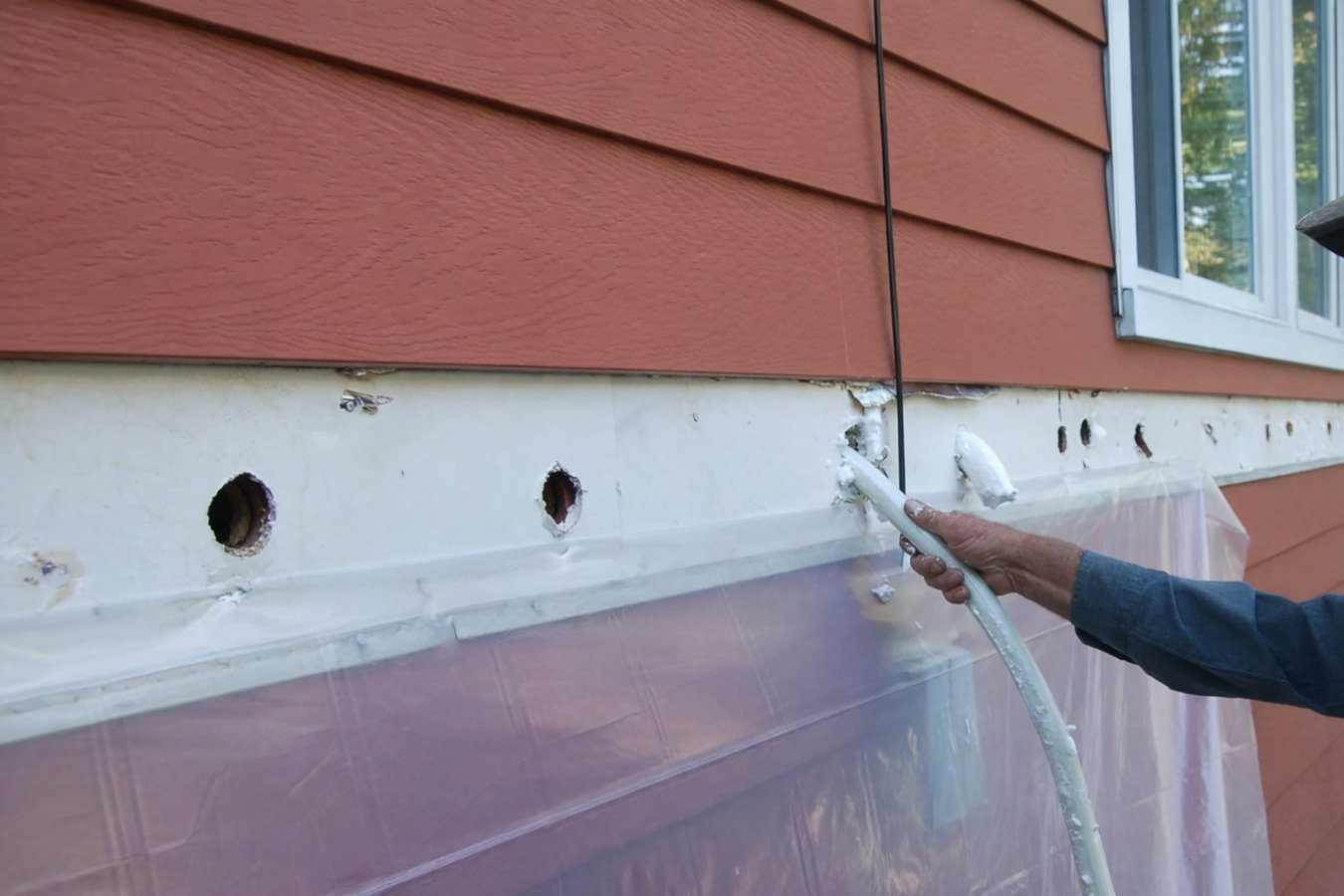
Most Midland homes built before 1990 are running with insulation levels well below what this climate demands. We add blown-in and spray foam insulation to your existing home - no major renovation, no torn-out walls.
Retrofit insulation in Midland, TX means adding insulation to a home that is already built - no tearing out walls, no major renovation. Contractors blow, spray, or inject insulating material into existing spaces like attics, walls, and crawl spaces through small access points. Most attic jobs in an average-sized Midland home are finished in a single visit of two to four hours.
For Midland homeowners, the need is direct. A large share of the city's residential neighborhoods were built during the oil boom decades of the 1950s through 1980s, when insulation standards were far lower than they are today. Those homes were not designed for a climate that runs the air conditioner from late April through October. The insulation they came with - when it was installed at all - was thin, and it has not gotten thicker with age. A properly executed retrofit project can bring a decades-old home up to modern performance without a renovation. Many homeowners who look into home insulation options for the first time discover that retrofit work is the path that fits their timeline and budget best.
One important step that a quality contractor will not skip: air sealing before the insulation goes in. Adding insulation without sealing first is like putting a thick blanket over a drafty window - it helps some, but it does not address the actual holes. Doing both in the right sequence is what delivers the full performance improvement.
If your electric bill spikes every summer and your air conditioner runs almost without stopping, your home may not be holding the cool air you are paying to produce. In Midland's climate, a well-insulated home maintains a set temperature without the system cycling all day. When the AC is working that hard and the house still feels warm, thin or missing insulation is often the reason.
If a bedroom or living area directly under the roof is always warmer than the rest of the house in summer, the insulation above that space is likely thin or missing. Heat radiates down from an under-insulated attic and makes those rooms uncomfortable no matter how low you set the thermostat. This is one of the most common complaints from homeowners in Midland's older neighborhoods.
Midland's frequent dust storms push fine particles through any gap in your home's exterior. If you are regularly wiping dust off windowsills and countertops after a windy day, your home has air infiltration gaps - and those same gaps are letting your conditioned air escape. Retrofit insulation paired with air sealing addresses both problems at once.
Midland homes built during the oil boom era were often constructed with minimal insulation because energy was cheap and standards were low. If you have never had insulation work done and your home is more than 30 years old, the odds are high that you are well below recommended levels. A quick attic inspection - something most contractors will do for free - will tell you exactly where you stand.
Every retrofit insulation project we do starts with a thorough in-home assessment. A technician goes into the attic, measures what is currently there, checks for moisture issues or damaged material, and looks for air leaks that need to be addressed before new insulation goes in. The assessment takes 30 to 60 minutes and results in a written estimate that clearly lists the area, material, and finished insulation level you will end up with. Homeowners who want to pair insulation with comprehensive air barrier work can discuss spray foam insulation options - spray foam seals and insulates in one pass, which can be the right call for certain areas of the attic or for tight spaces around penetrations where blown-in material would not fully reach.
For homeowners focused on the full thermal envelope of their home, home insulation services cover the attic, exterior walls, floors above unheated spaces, and crawl space ceilings - addressing every area where heat moves through your building and not just the attic alone. Many Midland homeowners in established neighborhoods start with attic work and then come back for wall insulation once they see the difference on their first summer bill.
Best for attics with open floor space - blown-in fiberglass or cellulose is installed quickly and fills evenly to the depth your climate zone requires.
For exterior walls with empty or thin cavities - small access holes are drilled, material is injected at density, and holes are patched without disturbing your siding or interior finishes.
Used around penetrations, rim joists, and tight spaces where loose-fill material cannot reach a complete seal - expands to fill irregular gaps and hardens in place.
The most effective approach - gaps are sealed first, then new insulation is installed above them, so the material performs at its full rated value rather than compensating for unclosed holes.
Midland sits in the Permian Basin and regularly sees summer temperatures above 100 degrees, with the cooling season stretching from late April through October. That means your air conditioner is working overtime for more than half the year, and any gap in your insulation is costing you money every single day during that stretch. Retrofit insulation here is not a comfort upgrade - it is a direct response to one of the most demanding cooling climates in the country. Homeowners in Odessa and across the Permian Basin face the same conditions, and the same high-performance insulation standards apply.
Midland also deals with persistent high winds and dust storms that push fine particulate through every gap in a home's exterior. The same gaps that let your cool air out let West Texas dust in. Homeowners often notice this as a layer of fine grit on windowsills and floors after a windy day - a sign the home's air barrier has real gaps. Retrofit insulation combined with proper air sealing closes those entry points and makes a noticeable difference in how clean the air inside your home feels. The U.S. Department of Energy recommends insulation levels significantly higher than what most Midland homes from the oil boom era were built with. Homeowners in established neighborhoods like those served by our Stanton crews often see the largest improvements precisely because their homes started with the lowest insulation levels.
We ask basic questions - your home's age, approximate square footage, and what problems you have been noticing. This first conversation is just about getting the right person to your door. We reply within 1 business day and will not ask you to commit to anything at this stage.
A technician walks your home and spends time in the attic - measuring current insulation levels, checking for moisture issues, and looking at air leaks that need to be addressed first. This visit takes 30 to 60 minutes. You receive a written estimate before anyone leaves, with the material, area, and finished level clearly listed.
Most attic jobs in an average Midland home are finished in a single visit of two to four hours. The crew seals air leaks first, then blows or sprays insulating material to the specified depth. You can stay in the house - keep pets and small children away from the work area, but your daily routine is not otherwise disrupted.
The crew cleans up, walks you through what was done, and leaves you with written documentation of the material used and the finished insulation level - which you will need to claim the federal tax credit. Blown-in materials are ready to perform the same day with no curing period.
Free in-home assessments with no obligation. Written estimates before anything is scheduled. We reply within 1 business day.
(432) 289-7587Adding insulation without sealing first leaves the gaps open - the insulation just sits on top of them. We address air leaks before any new material goes in, which is what makes the insulation perform at its full rated value rather than partially compensating for holes underneath it. ENERGY STAR identifies sealing before insulating as the correct sequence for meaningful energy improvement.
We leave every homeowner with written documentation of the material used and the finished insulation level. That paperwork is not just a receipt - it is what your tax preparer needs to claim the federal energy efficiency tax credit, which can cover 30 percent of your project cost up to $1,200 per year. We make sure you have it before we leave.
Every retrofit starts with a free on-site assessment and a written estimate, so you know the full scope and price before you sign anything. We coordinate any permits the project needs with the City of Midland and document the work as we go. We just think it should be easy for you to see exactly what you are paying for.
One of the most common homeowner fears about insulation work is not knowing whether the job was done right. When we finish, we walk you to the access point and show you the coverage yourself - even distribution, no thin spots, no gaps around fixtures. You should be able to see exactly what was done, and we expect you to look.
These are the things that separate a contractor who installs insulation from one who actually improves your home. In Midland's climate, where you are paying for air conditioning for six months a year, that difference shows up on every utility bill until you move.
A two-in-one solution that seals and insulates in a single application - ideal for tight spaces, rim joists, and areas where blown-in material cannot fully close the gaps.
Learn MoreFull-home insulation assessment and installation covering every area where heat moves through your building - not just the attic.
Learn MoreMost jobs in Midland are done in a single day. The longer you wait, the more cooling season you pay for without the fix.