
Loading...
Serving Midland, TX and surrounding areas. (432) 289-7587
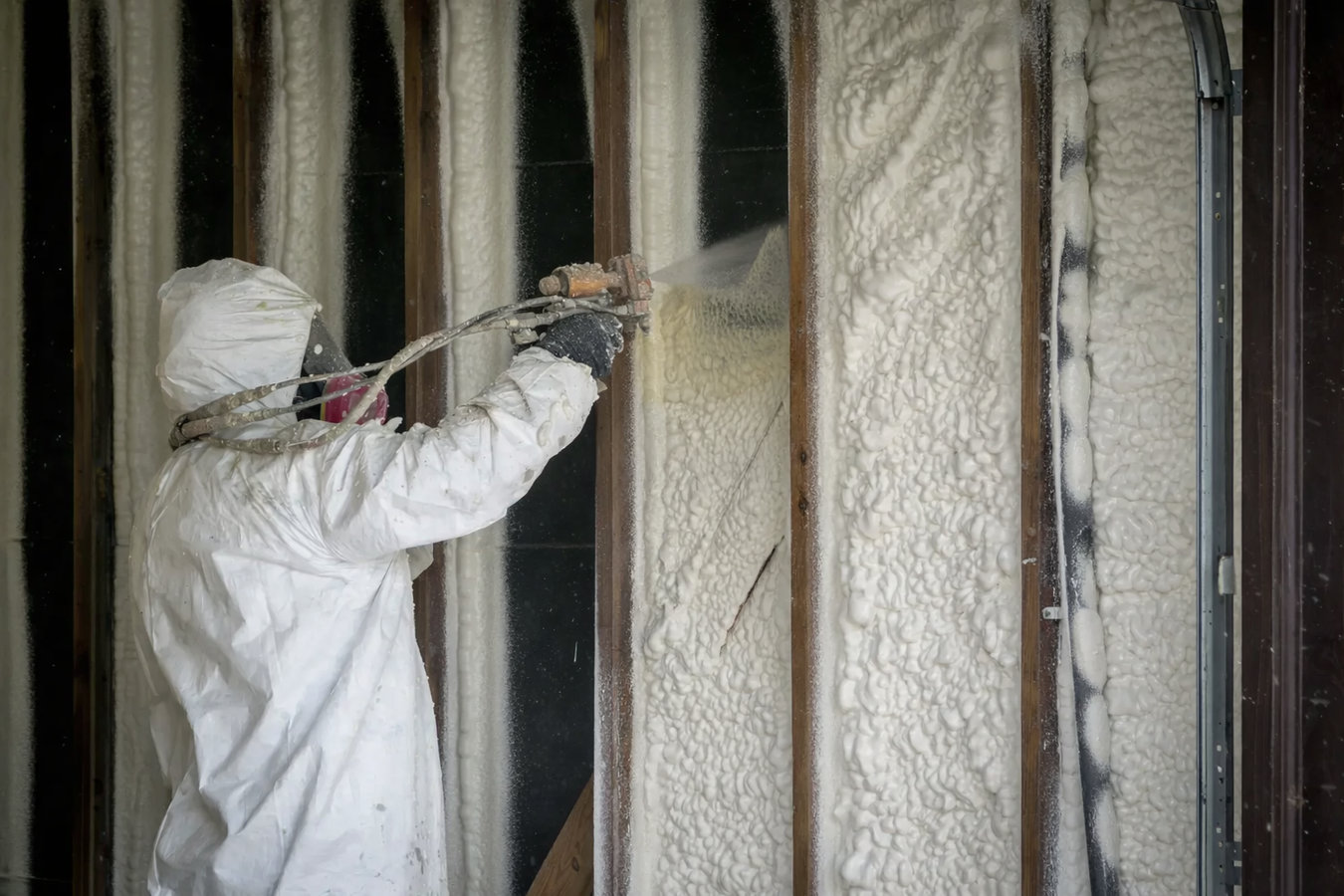
Premier Midland Insulation serves Pecos and Reeves County with spray foam insulation, attic insulation, blown-in insulation, and air sealing for homes that were built for this desert climate but have been outpaced by decades of heat, wind, and hard freezes. We have worked across far West Texas since 2015, we respond to all inquiries within one business day, and every estimate is written and provided at no charge.
Pecos sits in open Chihuahuan Desert terrain, and the summer heat load on a home with poor attic insulation is severe - attic temperatures routinely exceed 140 degrees, pushing heat into living spaces despite a running air conditioner. Spray foam seals and insulates at the same time, closing the air pathways that batt or blown-in alone leave open. For older stucco and masonry homes common in Reeves County, it is the most effective single upgrade available. Learn more about our spray foam insulation services and how we apply them in far West Texas conditions.
Pecos homes built before 1980 - which represent the bulk of the city's housing stock - were insulated to standards that were not designed for summers that push 105 degrees. Original batt or blown-in insulation in these homes has typically settled and compressed over decades of heat cycling, leaving R-values well below current recommendations for this climate zone. Upgrading attic insulation directly reduces the heat load the air conditioner must overcome every day from May through September.
Blown-in insulation is a cost-effective option for Pecos homeowners who want to significantly improve attic performance without the investment of a full spray foam application. It covers irregular attic framing completely, can be added in layers to reach any target R-value, and installs quickly - usually in a single day for most Pecos-area homes. It is also the standard method for adding insulation to existing wall cavities in brick or stucco homes without disturbing the exterior.
Dust storms roll through Pecos regularly, especially in spring, and wind-driven desert grit enters homes through every gap and penetration in the building envelope. Air sealing closes those pathways - around plumbing and electrical penetrations, at top plates in the attic, around recessed lights, and along the slab perimeter. For Pecos homeowners dealing with homes that stay dusty and energy bills that keep climbing, air sealing combined with insulation upgrades is the most direct solution.
Closed-cell foam delivers the highest R-value per inch of any insulation type, which matters in Pecos applications where space is limited - crawl spaces, rim joists, and areas where maximum thermal resistance in minimum thickness is required. The dense, rigid structure of closed-cell foam also acts as a vapor retarder, protecting areas of the home where ground moisture or outdoor humidity can migrate in. It is the right choice when performance must be maximized in a confined space.
Most homes in Pecos are established properties that have changed hands multiple times, and many carry deferred maintenance in the building envelope. Retrofit insulation is the process of improving insulation in an occupied, furnished home using methods suited to the existing construction - adding blown-in to attic floors, foam to crawl spaces, or wall insulation through minimally invasive access points. For the older stucco and masonry homes that define Pecos neighborhoods, retrofit is the practical path to meaningful energy improvement without a renovation project.
Pecos sits at roughly 2,580 feet elevation in Reeves County in the Chihuahuan Desert, and the climate here is more extreme than most people unfamiliar with far West Texas expect. Summers regularly see highs above 105 degrees Fahrenheit with very low humidity, and the sun is intense from early in the morning. That heat load on a home with aging or inadequate insulation is relentless - air conditioners run for hours on end, energy bills climb, and rooms near exterior walls never quite reach the thermostat setting. The housing stock in Pecos is predominantly mid-century construction, most built between the 1940s and 1980s, when insulation standards were a fraction of current recommendations for this climate zone. Original insulation in these homes has been subjected to decades of extreme heat cycling, compressing and degrading over time.
Pecos winters swing sharply in the opposite direction. Hard freezes below 20 degrees Fahrenheit are not unusual, and the February 2021 winter storm hit Reeves County hard, leaving many homes with burst pipes and water damage in homes that were not adequately insulated or had exposed plumbing in attic spaces. High winds are a year-round feature of the region - Pecos is in one of the windiest parts of Texas - and dust storms push fine desert grit into every gap and penetration in an older home's envelope. Soil beneath Pecos homes is a mix of sand and caliche that shifts as it dries and swells when wet, opening gaps at the slab perimeter and around foundation penetrations over time. These are specific, compounding conditions that a contractor working regularly in Reeves County understands firsthand.
Our crew works throughout Pecos regularly, and we understand the local conditions that affect insulation work here. The homes we encounter most often in Reeves County are single-family stucco and masonry houses on flat, open lots with minimal tree cover - properties where there is nothing between the exterior walls and the full force of the West Texas sun and wind. We know the specific building envelope failures these homes develop over time, and we work through them efficiently so homeowners are not left without adequate cooling in the worst weeks of summer.
Pecos is the seat of Reeves County and lies along the Pecos River, which gives the city its name. It is known across Texas as the site of the world's first organized rodeo, held in 1883 - the West of the Pecos Rodeo has run in this city every year since and remains the event most closely associated with Pecos outside its borders. The city sits on Interstate 20, the same highway that connects Midland and Monahans to the east, and the built environment reflects the priorities of a working oil-and-agriculture town - practical, durable, and not given to unnecessary spending. Homeowners here expect contractors to be direct about what a job requires and what it will cost.
We serve neighboring Monahans, TX, about 75 miles east on I-20, which shares many of the same housing stock and climate challenges as Pecos, and we work across the wider region from our Midland base. If you are in Reeves County or anywhere in the surrounding area, call us to schedule an assessment.
Call (432) 289-7587 or use the contact form on this site. We respond to every inquiry within one business day - often the same day - and we can usually schedule an on-site visit within a few days of your initial contact.
We visit your Pecos property and inspect the attic, wall cavities, crawl space, and any other areas of concern. We explain what we find in plain terms and provide a written estimate covering exactly what the work involves and what it costs before you decide anything. There is no charge for the inspection or estimate.
Our crew handles the installation directly on the agreed date - we do not subcontract the work to unfamiliar third parties. Most residential insulation jobs in Pecos finish in one to two days. We work around your schedule and minimize disruption to the household during the job.
Before we leave, we walk through the completed work with you so you can see what was done and ask any questions. If you have concerns after we are gone - performance questions, a specific area you want us to look at again - reach out and we will respond.
We serve all of Reeves County and surrounding areas. Free written estimates with no obligation. Call or fill out the form and we will be back to you within one business day.
(432) 289-7587Pecos is the county seat of Reeves County in far West Texas, a city of roughly 15,000 people in the Chihuahuan Desert. The Pecos River runs through the region and gives the city its name, a landmark that has shaped the landscape here for generations. Pecos is most recognized statewide as the site of the world's first organized rodeo - the West of the Pecos Rodeo, first held in 1883, still runs every summer and draws visitors from across the region. The housing stock reflects the city's history as an oil and agriculture town - most homes are single-family houses on modest flat lots, with stucco and masonry exteriors common throughout the established neighborhoods near downtown and off the main streets. The majority of the residential inventory dates to the mid-20th century, with some newer construction on the edges of town built during more recent periods of oil activity.
Pecos sits along Interstate 20 and is connected by road to Midland and the wider Permian Basin to the east and to the New Mexico border to the west. The economy is anchored by oil and gas, with agriculture - particularly the famous Pecos cantaloupe, grown in the sandy desert soil since the late 1800s - adding to the local identity. Neighboring Monahans, TX to the east and Midland, TX farther along the I-20 corridor share many of the same climate and housing characteristics, and Premier Midland Insulation serves homeowners across all three cities and the surrounding counties.
High-density foam that adds structural strength and moisture resistance.
Learn MoreLightweight, flexible foam ideal for interior walls and soundproofing.
Learn MoreEnergy-efficient insulation solutions for offices, warehouses, and more.
Learn MoreBlock ground moisture from entering your home through the crawl space.
Learn MorePrevent condensation and moisture damage with professional vapor control.
Learn MoreCall Premier Midland Insulation for a free written estimate on your Pecos home - we respond within one business day and every assessment is free, no commitment required.